

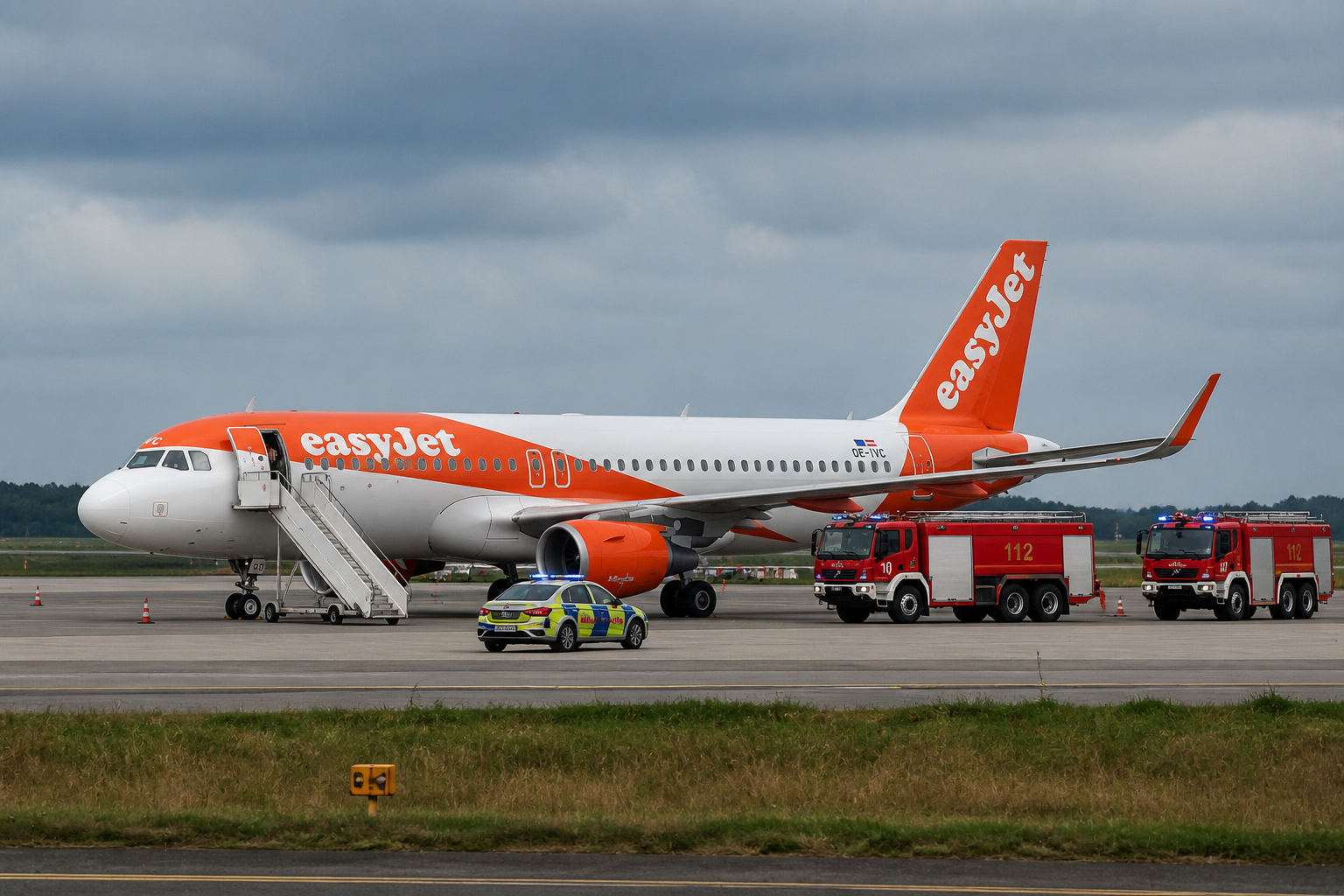
Aviation incidents always capture public attention, particularly when they involve commercial airlines carrying passengers across international routes. The easyjet u22152 emergency germany incident became a significant talking point among travelers, aviation enthusiasts, and safety analysts across the USA, UK, and Canada. This comprehensive guide examines what happened during this flight emergency, the response protocols activated, passenger experiences, and broader lessons about aviation safety that emerged from the incident.
Understanding the EasyJet U22152 Emergency Germany Incident
The easyjet u22152 emergency germany event unfolded when flight U22152, operated by the budget carrier EasyJet, encountered technical difficulties requiring an unscheduled landing at a German airport. According to aviation tracking data and passenger reports, the aircraft was en route on a scheduled European service when the flight crew identified issues that necessitated declaring an emergency and diverting from the planned flight path.
Flight tracking platforms showed the aircraft altering course and descending toward the nearest suitable airport in Germany equipped to handle the emergency situation. Air traffic controllers coordinated with the flight crew to ensure priority landing clearance, while ground emergency services prepared for the aircraft’s arrival. The professional handling of the situation by both flight crew and ground personnel demonstrated the effectiveness of established aviation emergency protocols.
Passengers aboard the flight reported that crew members communicated calmly about the situation, following standard procedures to prepare the cabin for a precautionary landing. The aircraft landed safely without injuries to passengers or crew, though the incident understandably caused anxiety among those onboard and concern from family members tracking the flight. The successful outcome reflected years of training, safety procedures, and aviation technology designed specifically for managing unexpected in-flight situations.
What Caused the EasyJet U22152 Emergency in Germany
While initial reports about the easyjet u22152 emergency germany provided limited technical details, information gradually emerged about the nature of the problem. Aviation incidents typically involve thorough investigation before official causes are confirmed, with preliminary assessments often updated as investigators analyze flight data recorders, maintenance records, and crew statements.
Early indications suggested the emergency related to technical systems requiring immediate attention rather than catastrophic mechanical failure. Modern aircraft incorporate redundant safety systems designed to handle single-point failures, allowing crews to manage situations safely even when specific components malfunction. This redundancy proved critical in allowing the U22152 crew to maintain control and execute a controlled diversion.
The decision to declare an emergency and land in Germany rather than continuing to the destination airport reflected standard aviation safety protocols prioritizing caution. Flight crews receive extensive training in threat assessment and decision-making, learning to evaluate situations quickly and choose the safest course of action. Landing at the nearest suitable airport when technical issues arise minimizes risk exposure, even if the immediate danger seems manageable, because conditions can change rapidly during flight.
Emergency Response Protocols During the EasyJet U22152 Incident
The emergency response to the easyjet u22152 emergency germany demonstrated coordinated action across multiple agencies and personnel. When pilots declare an emergency, air traffic control immediately prioritizes that aircraft, clearing airspace and providing direct routing to the chosen landing airport. Controllers maintain constant communication with the flight crew, offering support and relaying information to ground emergency services.
German airport emergency teams prepared for the arrival following established protocols for potential aircraft emergencies. Fire and rescue vehicles positioned near the designated runway, medical personnel stood ready to assess passengers and crew, and airport operations coordinated to minimize disruption while ensuring the emergency aircraft received priority. This preparation happens for every declared emergency, regardless of perceived severity, because aviation safety protocols emphasize readiness for worst-case scenarios.
Upon landing, emergency responders conducted standard safety checks of the aircraft before passengers disembarked. Engineers examined the technical systems that prompted the emergency declaration, while airline operations staff worked to arrange alternative transportation for passengers whose journey was interrupted. This multi-layered response ensured both immediate safety and longer-term passenger care, reflecting the comprehensive approach airlines take toward incident management.
Passenger Experiences During the EasyJet U22152 Emergency
Accounts from passengers aboard the easyjet u22152 emergency germany flight provide valuable insights into how cabin crew managed the situation and how travelers responded to the emergency. Many passengers reported that crew members maintained calm professionalism throughout, providing clear information about what was happening while preparing the cabin for the precautionary landing.
The crew’s communication approach balanced transparency with reassurance, explaining that technical issues required landing in Germany while emphasizing that the situation remained under control. This communication style aligns with aviation training that recognizes passenger anxiety during emergencies while avoiding unnecessary panic. Crew members also reviewed safety procedures and ensured passengers understood brace positions and evacuation protocols should they become necessary.
Passenger reactions varied as expected, with some travelers remaining calm while others experienced significant anxiety about the unplanned landing. Social media posts from those aboard reflected this range, with some praising crew professionalism and others expressing relief at the safe outcome. These firsthand accounts highlighted the emotional reality of flight emergencies, even when they conclude without injury or damage, and the lasting impression such experiences create for those involved.
Aviation Safety Systems That Protected EasyJet U22152
Modern aviation safety represents layers of protection that work together to prevent accidents and manage emergencies effectively. The successful handling of the easyjet u22152 emergency germany incident showcased many of these systems working as designed to ensure passenger and crew safety despite technical complications.
Aircraft redundancy constitutes the first safety layer, with critical systems backed up by alternative components that activate if primary systems fail. Flight controls, hydraulic systems, electrical generation, and navigation equipment typically feature multiple independent versions, ensuring that single failures don’t compromise aircraft controllability. The engineering philosophy behind this redundancy has evolved through decades of aviation experience, continuously improving based on incident analysis.
Pilot training represents another crucial safety element, with commercial aviators spending hundreds of hours in simulators practicing emergency scenarios before ever facing real situations. This training covers technical malfunctions, weather challenges, medical emergencies, and security threats, building decision-making skills and procedural knowledge that become automatic during actual emergencies. The crew of U22152 demonstrated this training’s value through their calm, effective response to the technical issues they encountered.
Regulatory oversight ensures airlines maintain aircraft properly, follow established procedures, and continuously improve safety practices. Aviation authorities across Europe, the USA, UK, and Canada coordinate safety standards and information sharing, creating an international safety culture that benefits all air travelers. Incidents like the easyjet u22152 emergency germany contribute to this knowledge base, with investigations identifying lessons that prevent future occurrences.
How EasyJet Responded to the U22152 Emergency in Germany
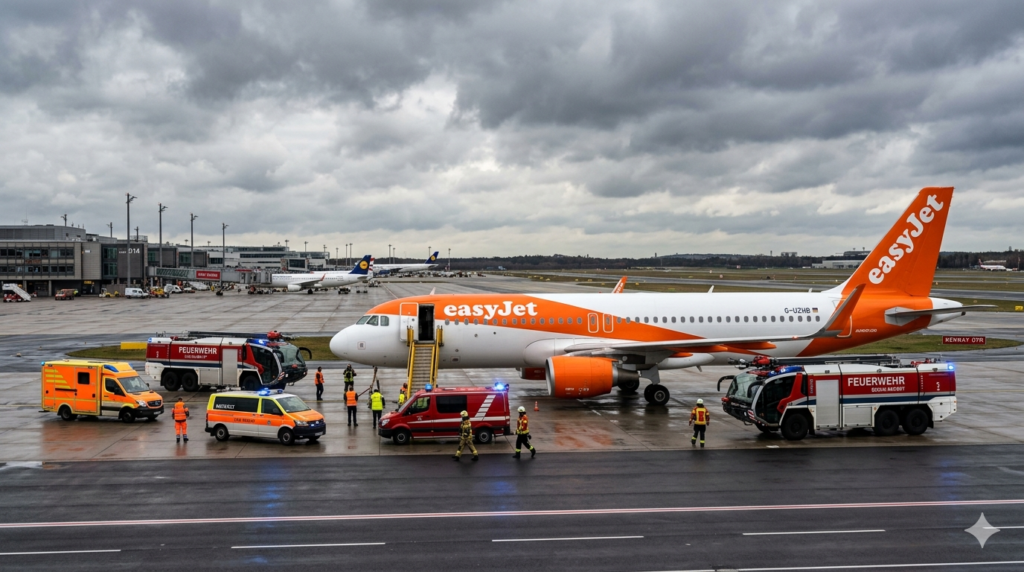
EasyJet’s response to the easyjet u22152 emergency germany incident followed established airline crisis management protocols designed to ensure passenger safety while maintaining operational stability. The airline’s operations center coordinated with flight crew, ground staff, and airport authorities throughout the incident, ensuring information flowed efficiently to all stakeholders who needed to respond.
Following the safe landing, EasyJet’s priority shifted to passenger welfare and travel arrangements. The airline worked to provide accommodation for travelers whose journeys were significantly delayed, arranged alternative flights to final destinations, and offered support to passengers who experienced distress during the emergency. These customer service responses follow both regulatory requirements and airline policies designed to maintain passenger trust following disruptions.
EasyJet also initiated internal review processes to understand what happened, assess whether maintenance or operational procedures require adjustment, and determine if broader fleet implications exist. Airlines conduct these reviews separately from official regulatory investigations, using incidents as learning opportunities to enhance safety practices. The outcomes of such reviews often remain internal but contribute to continuous safety improvement across airline operations.
Communication with media and the public represented another aspect of EasyJet’s response, with the airline providing factual information about the incident while respecting ongoing investigation processes. Balancing transparency with accuracy proves challenging during evolving situations when full information remains unavailable, but clear communication helps counter misinformation and maintains public confidence in aviation safety.
Comparing the EasyJet U22152 Emergency to Other Aviation Incidents
Placing the easyjet u22152 emergency germany incident within broader aviation safety context helps illustrate how common various types of flight disruptions are and how effectively modern systems manage them. Commercial aviation experiences thousands of minor technical issues annually, with the vast majority resolved without passenger awareness or flight plan changes. Incidents requiring diversions or emergency landings occur less frequently but still represent routine scenarios that crews train extensively to handle.
Comparing this incident to major aviation accidents reveals the enormous safety gap between manageable technical problems and catastrophic failures. The U22152 emergency concluded with all passengers and crew safe, the aircraft intact and likely returned to service after inspection and repairs, representing the typical outcome for declared flight emergencies. This contrasts sharply with the rare but devastating accidents that result in hull loss or casualties, which receive intensive investigation and often drive significant safety improvements.
Statistical analysis consistently shows commercial aviation as one of the safest transportation modes, with accident rates declining over decades despite increasing flight volumes. Incidents like the easyjet u22152 emergency germany contribute to this safety record by demonstrating that even when problems occur, multiple protective systems prevent progression to serious accidents. Each safely managed incident builds confidence in aviation safety while providing data that helps prevent future occurrences.
Lessons for Air Travelers from the EasyJet U22152 Emergency
The easyjet u22152 emergency germany incident offers valuable insights for air travelers regarding safety awareness, emergency preparedness, and realistic risk assessment. Understanding these lessons helps passengers approach air travel with appropriate confidence while maintaining sensible safety awareness.
Paying attention during pre-flight safety briefings represents the most actionable lesson from any aviation incident. Crew members demonstrate emergency exits, oxygen masks, life vests, and brace positions not as theatrical performance but as potentially life-saving information. Passengers who mentally note their nearest exits and review safety card information position themselves to respond effectively during actual emergencies rather than experiencing decision paralysis when seconds matter.
The successful outcome of the U22152 emergency also reinforces the value of following crew instructions during unusual situations. Flight attendants receive extensive emergency training qualifying them to manage crisis situations, and passenger compliance with their directions directly impacts safety outcomes. Travelers who trust crew expertise and follow instructions promptly contribute to orderly emergency management rather than creating additional complications.
Maintaining perspective about aviation risk helps travelers avoid excessive anxiety while respecting genuine safety procedures. The rarity of serious aviation accidents relative to flight volumes means individual passengers face minimal risk during any single journey, yet the existence of comprehensive safety systems and procedures deserves respect and compliance. This balanced approach allows enjoyment of air travel’s benefits while honoring the serious safety culture underlying commercial aviation.
Technical Investigation Process Following the EasyJet U22152 Emergency
Aviation investigations following incidents like the easyjet u22152 emergency germany follow established protocols designed to identify causes, contributing factors, and prevention opportunities. These investigations serve safety improvement rather than assigning blame, creating environments where honest reporting and analysis take priority over protecting reputations or avoiding liability.
Investigators begin by securing physical evidence including the aircraft itself, maintenance records, flight data recorder information, and cockpit voice recordings. These data sources provide objective information about what happened during the flight, complementing subjective crew and passenger accounts. Modern aircraft generate extensive data about system performance, providing investigators with detailed information about technical conditions throughout flights.
The investigation process includes interviewing flight crew, maintenance personnel, air traffic controllers, and other relevant parties to understand human factors contributing to the incident. These conversations explore decision-making processes, communication effectiveness, procedural compliance, and any unusual circumstances that affected the flight. Investigators approach these interviews seeking understanding rather than fault-finding, recognizing that honest accounts provide maximum learning value.
Final investigation reports typically emerge months after incidents, following thorough analysis and verification. These reports identify probable causes, contributing factors, and safety recommendations aimed at preventing similar occurrences. Aviation authorities and airlines worldwide review these findings, implementing relevant recommendations across their operations and contributing to the continuous safety improvement that characterizes modern commercial aviation.
Future Implications and Safety Improvements from the Incident
Every aviation incident, including the easyjet u22152 emergency germany event, contributes to the knowledge base driving continuous safety improvement across the industry. The lessons learned from this and similar incidents inform training programs, maintenance procedures, aircraft design, and regulatory oversight in ways that incrementally enhance aviation safety for all travelers.
Specific technical findings from investigating the U22152 emergency may lead to manufacturer service bulletins, maintenance procedure updates, or even design modifications if systemic issues are identified. These changes often affect aircraft globally, demonstrating how an incident affecting one flight can improve safety for millions of future passengers. The international cooperation characterizing aviation safety ensures that lessons learned in one country benefit travelers worldwide.
Training programs continuously evolve based on incident analysis, incorporating new scenarios and refining techniques based on real-world experiences. Simulator programs add situations based on actual incidents, allowing pilots to practice managing specific challenges in controlled environments before potentially facing them during actual flights. This constant refinement ensures that crew training remains current and relevant to actual operational conditions.
The broader safety culture within aviation also benefits from public attention to incidents like the easyjet u22152 emergency germany, as awareness drives passenger engagement with safety procedures and public support for robust regulatory oversight. When travelers understand that aviation safety results from continuous vigilance and improvement rather than assuming perfection, they become partners in the safety system through compliance with procedures and reasonable safety awareness.
Frequently Asked Questions
What exactly happened during the easyjet u22152 emergency germany incident?
EasyJet flight U22152 experienced technical difficulties during flight that prompted the crew to declare an emergency and divert to a German airport for precautionary landing. The aircraft landed safely without injuries to passengers or crew, with emergency services on standby as standard protocol. Official investigation findings will provide complete details about the specific technical issues involved once analysis concludes.
How common are emergency landings like the EasyJet U22152 incident?
Emergency diversions and precautionary landings occur regularly across commercial aviation, with pilots declaring emergencies whenever situations warrant enhanced priority and preparation even if immediate danger isn’t present. Most of these incidents conclude safely, reflecting the effectiveness of aircraft redundancy systems, crew training, and safety protocols. The vast majority of flights complete normally, but the aviation system manages thousands of technical irregularities daily, with only a small fraction requiring diversions.
Were passengers on EasyJet U22152 compensated for the emergency?
Airline compensation policies following emergency diversions vary based on regulations, delay duration, and specific circumstances. European regulations provide compensation frameworks for significant delays and cancellations, though situations beyond airline control may affect eligibility. EasyJet typically provides accommodation and rebooking for passengers affected by operational disruptions, with specific compensation determined by regulatory requirements and individual circumstances.
How safe is flying on budget airlines like EasyJet compared to traditional carriers?
Budget airlines operating in Europe, the USA, UK, and Canada must meet identical safety regulations as traditional carriers, with no regulatory distinction based on business model. EasyJet maintains safety standards required by European aviation authorities, undergoes the same certification processes, and follows identical maintenance and operational requirements as full-service airlines. Safety records should be evaluated based on regulatory compliance and operational history rather than ticket pricing strategies.
What should passengers do if they experience a similar emergency situation?
Passengers experiencing in-flight emergencies should remain calm, listen carefully to crew instructions, and follow all directions promptly. Reviewing safety information before flights, noting exit locations, and understanding brace positions prepares travelers to respond effectively if needed. Trusting crew expertise and avoiding panic helps ensure orderly emergency management that protects everyone aboard. After landing safely, passengers should follow airline guidance regarding next steps and seek support if experiencing distress from the experience.
Conclusion
The easyjet u22152 emergency germany incident serves as a reminder that while aviation safety systems work exceptionally well, technical issues occasionally occur requiring professional emergency response. The successful handling of this situation demonstrated the effectiveness of multiple safety layers including aircraft design redundancy, comprehensive crew training, coordinated emergency response protocols, and regulatory oversight that continuously improves aviation safety. For travelers in the USA, UK, Canada, and worldwide, incidents like this reinforce the importance of paying attention to safety briefings, following crew instructions, and maintaining a realistic perspective about aviation risk. The aviation industry’s commitment to learning from every incident, implementing improvements, and sharing knowledge internationally ensures that each event contributes to making future flights safer for everyone. As investigation findings emerge from the U22152 emergency, the lessons learned will join the vast knowledge base that makes commercial aviation one of humanity’s safest activities despite the inherent challenges of flight.