

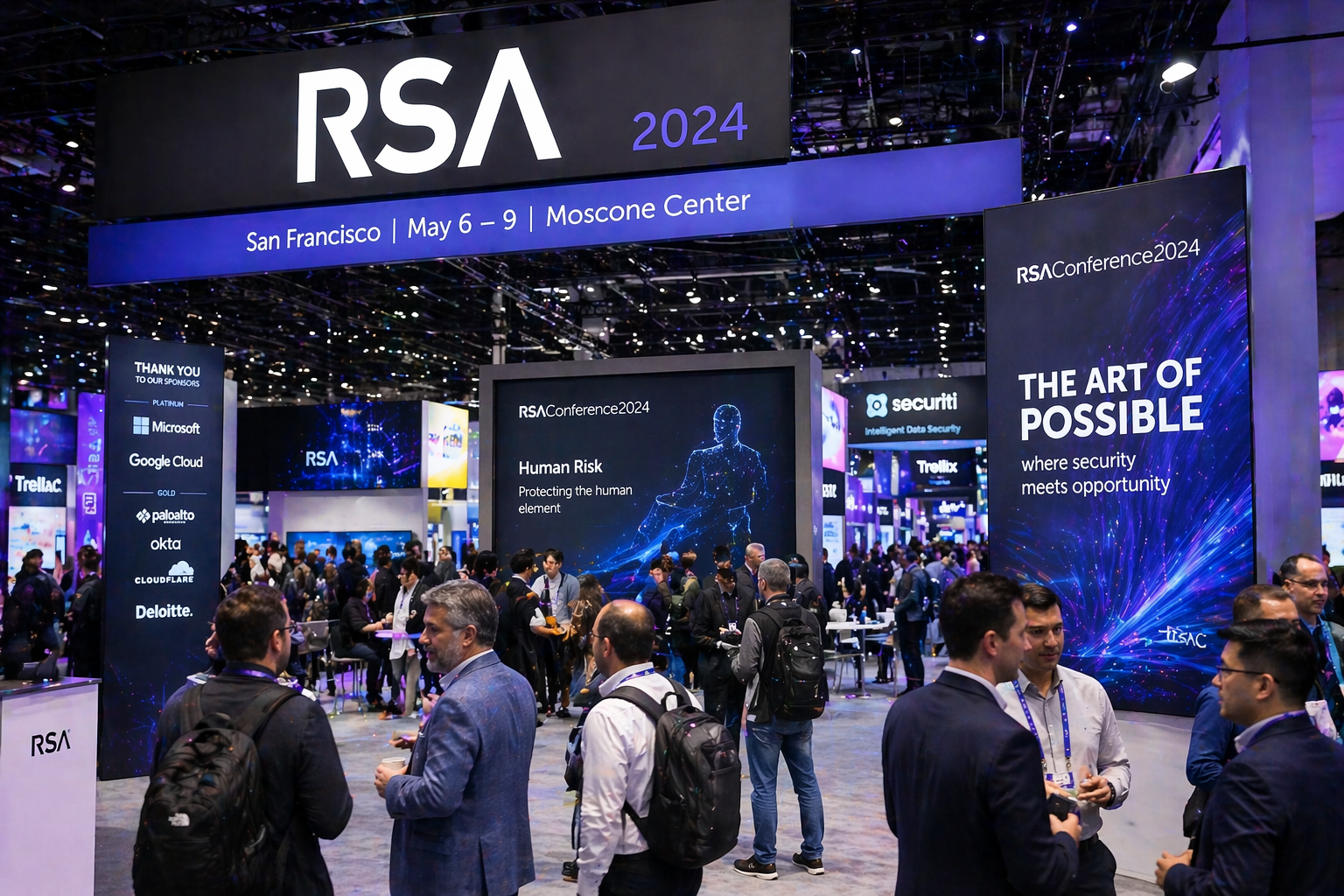
Understanding What RSA 2024 Represents in Cybersecurity
RSA 2024 stands as the premier cybersecurity conference bringing together industry leaders, security professionals, and technology innovators from across the globe. Held annually in San Francisco, this year’s conference attracted over 40,000 attendees from the USA, UK, Canada, and numerous other countries, making it the largest gathering of cybersecurity minds worldwide. The conference serves as both a marketplace where vendors showcase cutting-edge security solutions and an educational forum where practitioners share insights about emerging threats and defensive strategies.
The significance of RSA 2024 extends beyond simple product demonstrations and sales pitches. The conference functions as a barometer for the entire cybersecurity industry, revealing which threats concern organizations most deeply and which defensive approaches are gaining traction. When major announcements happen at RSA, they ripple through security programs globally as professionals return to their organizations with new perspectives and solutions. The conversations happening in conference sessions and hallway discussions often preview the security challenges that will dominate headlines in the months ahead.
For cybersecurity professionals attending from North America and Europe, RSA 2024 offered invaluable opportunities to connect with peers facing similar challenges. The networking aspect cannot be overstated, as informal conversations between sessions frequently prove as valuable as formal presentations. Security leaders use the conference to benchmark their programs against industry peers, discover how others have solved similar problems, and identify talent for recruitment. This combination of education, networking, and market awareness makes RSA an essential event for anyone serious about cybersecurity.
The Major Themes Defining RSA 2024
Several dominant themes emerged throughout RSA 2024 that reflect the current state and future direction of cybersecurity. Artificial intelligence in security occupied center stage, with countless vendors demonstrating how machine learning enhances threat detection, automates response actions, and reduces the workload on overstretched security teams. The discussion moved beyond theoretical possibilities to practical implementations, with case studies showing measurable improvements in detection accuracy and response times.
The concept of secure by design gained significant momentum at RSA 2024, representing a philosophical shift in how organizations approach security. Rather than treating security as something added after development, this approach integrates security considerations from the earliest design phases. Multiple sessions explored how development teams can build security into products and services fundamentally, reducing vulnerabilities that attackers might exploit. This proactive stance contrasts with traditional reactive approaches where security teams constantly patch problems after deployment.
Zero trust architecture continued its evolution from buzzword to practical implementation framework at RSA 2024. The conference featured numerous presentations detailing real-world zero trust deployments, including the challenges encountered and lessons learned during implementation. Organizations shared how they moved from perimeter-based security models to architectures that verify every access request regardless of origin. This maturation of zero trust from concept to operational reality marked an important milestone visible throughout the conference.
Supply chain security emerged as a critical concern at RSA 2024, driven by high-profile incidents affecting software supply chains over the past year. Sessions addressed how organizations can verify the integrity of third-party code, assess vendor security practices, and respond when supply chain compromises occur. The discussion acknowledged that modern software development relies heavily on external dependencies, creating risks that traditional security controls don’t adequately address.
Key Sessions and Presentations at RSA 2024
The keynote presentations at RSA 2024 set the tone for the entire conference, with industry luminaries addressing packed audiences about the future of cybersecurity. The opening keynote featured perspectives on how geopolitical tensions are reshaping the threat landscape, with nation-state actors employing increasingly sophisticated techniques. This global view helped attendees understand that cybersecurity has become inseparable from broader international relations and that security professionals must account for geopolitical dynamics when assessing threats.
Technical sessions dived deep into specific security domains, from cloud security architecture to operational technology protection. One particularly well-attended track focused on securing artificial intelligence systems themselves, addressing how attackers might manipulate machine learning models or poison training data. These sessions acknowledged that as organizations increasingly rely on AI for security and business functions, the AI systems themselves become attractive targets requiring dedicated protection.
Case study presentations provided practical insights from organizations that have navigated significant security challenges. Financial institutions shared how they defended against sophisticated fraud schemes, healthcare organizations discussed protecting sensitive patient data while enabling necessary access, and technology companies explained how they secure complex cloud environments. These real-world examples resonated with attendees facing similar challenges, offering actionable strategies beyond theoretical frameworks.
Panel discussions brought together diverse perspectives on contentious issues within cybersecurity. Debates about disclosure policies, the ethics of offensive security research, and appropriate government involvement in cybersecurity generated engaged audiences and vigorous discussion. These panels highlighted that the cybersecurity community contains diverse viewpoints on fundamental questions, and productive dialogue requires engaging with perspectives different from one’s own.
The Vendor Landscape and Innovations Showcased at RSA 2024
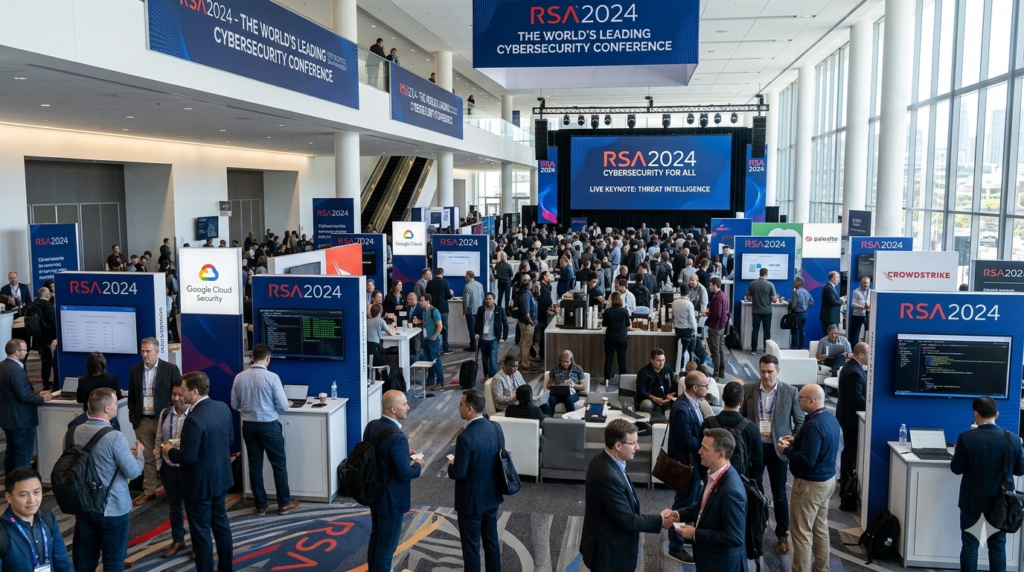
The exhibition floor at RSA 2024 sprawled across massive halls filled with hundreds of vendors demonstrating their latest security products and services. Established enterprise security vendors occupied prominent positions with elaborate booths showcasing comprehensive security platforms. These incumbents emphasized integration capabilities, demonstrating how their solutions fit within complex existing environments rather than requiring wholesale replacement of current security infrastructure.
Startups occupied a dedicated innovation showcase area where emerging companies demonstrated novel approaches to security problems. Many of these younger companies focused on specific niches rather than attempting to compete directly with established comprehensive platforms. Cloud-native security tools designed specifically for containerized environments attracted significant interest, as did solutions addressing security challenges unique to remote work environments that became permanent after pandemic-driven changes.
The convergence of security products into integrated platforms represented a clear trend visible across the RSA 2024 exhibition floor. Vendors increasingly emphasized how different security capabilities work together within unified interfaces rather than requiring separate management consoles. This integration addresses the tool sprawl that has plagued security teams, where managing dozens of disconnected products creates operational complexity and potential gaps where threats slip through.
Artificial intelligence featured prominently in vendor demonstrations, though with varying degrees of substance behind the marketing claims. Some vendors showed genuinely innovative applications of machine learning to security problems, while others appeared to have simply rebranded existing capabilities with AI terminology. Discerning attendees learned to ask detailed questions about training data, model validation, and false positive rates to distinguish meaningful AI implementations from superficial applications of the technology.
Networking Opportunities and Community Building at RSA 2024
Beyond formal sessions and vendor demonstrations, RSA 2024 created countless opportunities for professional networking and community building. Designated networking hours brought together practitioners from similar industries or roles, facilitating conversations between people facing comparable challenges. These structured networking sessions helped break the ice for attendees who might hesitate to approach strangers randomly, creating a framework for productive professional connections.
Special interest groups focused on particular security domains met throughout the conference, allowing deep dives into specialized topics. Cloud security practitioners convened to discuss emerging threats specific to cloud environments, while industrial control system security professionals shared strategies for protecting operational technology. These focused gatherings acknowledged that while cybersecurity shares common principles, specific implementation details vary significantly across different technology domains.
Evening events hosted by vendors and industry organizations provided more casual networking settings where relationships could develop beyond brief hallway conversations. These receptions and dinners created environments where security professionals could connect personally, building relationships that extend beyond transactional business interactions. Many attendees reported that their most valuable conference outcomes came from these informal gatherings rather than formal sessions.
The international composition of RSA 2024 attendees facilitated cross-border dialogue about cybersecurity challenges and regulatory approaches. Security professionals from the USA, UK, Canada, and other countries shared perspectives on how different regulatory regimes affect security programs and discussed the challenges of maintaining security across multi-national operations. These conversations highlighted both universal security principles and jurisdiction-specific nuances that global organizations must navigate.
How RSA 2024 Addressed Emerging Cybersecurity Threats
Ransomware remained a major focus at RSA 2024, though the discussion evolved beyond simply how to defend against attacks toward comprehensive ransomware resilience strategies. Sessions addressed backup integrity, incident response planning, communication strategies during attacks, and the controversial question of whether organizations should pay ransoms. The mature treatment of ransomware reflected the reality that this threat has become endemic, requiring organizations to prepare comprehensively rather than hoping to avoid becoming targets.
Threats targeting cloud infrastructure received extensive attention at RSA 2024, acknowledging that as organizations migrate workloads to cloud platforms, attackers follow with cloud-specific attack techniques. Misconfigured cloud storage, compromised cloud credentials, and vulnerabilities in cloud-native applications all received detailed treatment. The discussion moved beyond securing traditional perimeters to addressing the unique security challenges of dynamic, API-driven cloud environments.
Social engineering and human-focused attacks generated significant discussion at RSA 2024, recognizing that technical controls alone cannot prevent determined attackers from manipulating people. Sessions explored how organizations can build security awareness cultures, how to design business processes that resist social engineering, and how to detect when employees might be under manipulation. This human element of security received the serious treatment it deserves rather than being dismissed as simply a training problem.
Quantum computing’s implications for cryptography featured in several forward-looking sessions at RSA 2024. While practical quantum computers capable of breaking current encryption remain years away, security professionals discussed preparations organizations should make now to ensure cryptographic agility. The concept of crypto-agility, designing systems that can swap cryptographic algorithms without fundamental architecture changes, emerged as an important consideration for long-term security planning.
Lessons from RSA 2024 for Security Professionals
One clear takeaway from RSA 2024 emphasized that effective cybersecurity requires balancing technical controls with organizational culture and process design. The most sophisticated security tools fail when organizations lack the processes to use them effectively or the culture to prioritize security in decision-making. Multiple presenters shared examples where cultural changes proved more impactful than technology purchases, suggesting that security leaders should invest as much energy in organizational change as in technical implementation.
The importance of measuring security program effectiveness emerged repeatedly throughout RSA 2024 sessions. Security leaders shared frameworks for developing meaningful metrics that demonstrate program value to executives and boards. The discussion acknowledged that traditional metrics like number of blocked attacks or vulnerabilities patched don’t effectively communicate security posture to business leaders. Better approaches focus on business risk reduction and resilience improvements that executives can understand and evaluate.
Collaboration between security teams and other organizational functions received emphasis at RSA 2024, challenging the traditional model where security operates in isolation. Successful organizations integrate security expertise into development teams, business planning processes, and strategic initiatives from inception. This embedded security approach contrasts with models where security acts as a gatekeeper reviewing and rejecting initiatives developed without security input.
The talent shortage affecting cybersecurity received honest discussion at RSA 2024, with security leaders sharing creative approaches to building capable teams despite fierce competition for qualified professionals. Strategies included developing internal talent through training programs, hiring for aptitude rather than specific experience, and creating work environments that retain talent through meaningful work and growth opportunities. The acknowledgment that traditional hiring approaches cannot fill all security positions has prompted innovative thinking about workforce development.
Regulatory and Compliance Discussions at RSA 2024
Evolving privacy regulations dominated compliance discussions at RSA 2024, reflecting the reality that organizations operating in the USA, UK, Canada, and Europe must navigate complex and sometimes conflicting requirements. Sessions explored how the patchwork of state-level privacy laws in the United States creates compliance challenges for national organizations and how international data transfer mechanisms function under current regulatory frameworks. Security professionals increasingly find themselves responsible for ensuring technical controls support compliance requirements.
Cybersecurity incident reporting requirements generated significant attention at RSA 2024, as multiple jurisdictions have implemented or proposed mandatory breach notification timelines. The discussion addressed the practical challenges of investigating incidents quickly enough to meet tight reporting deadlines while gathering sufficient information to file accurate reports. Organizations shared strategies for incident response processes designed to support both thorough investigation and timely reporting.
Critical infrastructure protection represented another major regulatory focus at RSA 2024, with sessions addressing sector-specific requirements affecting energy, healthcare, finance, and other critical sectors. The discussion acknowledged that critical infrastructure organizations face heightened threats from nation-state actors while operating under stricter regulatory oversight than typical enterprises. Balancing security, operational continuity, and regulatory compliance creates unique challenges for these organizations.
The role of frameworks like NIST Cybersecurity Framework in demonstrating reasonable security practices received practical treatment at RSA 2024. Organizations shared how they use established frameworks to structure security programs and demonstrate compliance with various regulatory requirements. The discussion emphasized that frameworks provide useful scaffolding but require customization to address specific organizational contexts rather than rigid checkbox compliance.
Preparing for Future Cybersecurity Challenges Based on RSA 2024 Insights
Looking forward from RSA 2024, security professionals identified several emerging challenges that will likely dominate future conferences. The security implications of generative AI and large language models topped many lists, as organizations begin deploying these technologies in customer-facing applications and internal tools. Questions about securing AI systems, protecting sensitive data used in AI training, and defending against AI-generated attacks will require answers that the security community is still developing.
The continued expansion of attack surfaces as organizations adopt new technologies creates ongoing challenges that RSA 2024 discussions acknowledged will intensify. Internet of Things devices, edge computing, 5G networks, and other emerging technologies each introduce new potential vulnerabilities that attackers can exploit. Security programs must develop capabilities to assess and secure new technologies quickly as business units adopt them, rather than always playing catch-up with shadow IT.
Geopolitical tensions and their cybersecurity implications emerged as an area requiring increased attention based on RSA 2024 discussions. As international conflicts increasingly include cyber components, organizations find themselves navigating threats that blur lines between criminal activity and state-sponsored operations. Understanding the geopolitical context behind threats and assessing how international tensions might affect organizational risk profiles will become increasingly important for security leaders.
The professionalization of cybercrime, where criminal groups operate like legitimate businesses with specialized roles and service offerings, suggests that defenders face increasingly sophisticated adversaries. RSA 2024 sessions described criminal ecosystems where different groups specialize in initial access, malware development, data exfiltration, and monetization, collaborating like business partners. Defending against these organized criminal enterprises requires security programs that match their sophistication and coordination.
Taking Action After RSA 2024
Translating insights from RSA 2024 into practical security improvements requires deliberate action by attendees returning to their organizations. Many security professionals reported their first priority involved sharing key takeaways with their teams and leadership, ensuring that broader organizational benefit comes from conference attendance. Creating executive summaries highlighting the most relevant trends and recommendations helps communicate value and build support for security initiatives.
Evaluating new security tools and approaches demonstrated at RSA 2024 requires careful assessment of how they fit organizational needs rather than adopting technologies simply because they generated conference buzz. Security leaders described structured evaluation processes where they identify specific problems to solve, assess multiple potential solutions, conduct proof-of-concept testing, and measure results before committing to broad deployments. This disciplined approach prevents technology adoption for its own sake.
Building on networking connections made at RSA 2024 extends conference value beyond the event itself. Following up with peers encountered during sessions, continuing conversations started in exhibition halls, and nurturing professional relationships creates ongoing learning opportunities throughout the year. Many security professionals maintain contact with peers met at RSA, creating informal networks for sharing information and seeking advice when facing challenging security decisions.
Planning for RSA 2025 often begins immediately after concluding the current year’s conference, as security teams identify topics they want to explore more deeply, vendors they want to engage with more thoroughly, and connections they want to prioritize. This forward-looking approach treats RSA as an ongoing element of professional development rather than an isolated annual event.
FAQs
What is RSA 2024 and why does it matter for cybersecurity?
RSA 2024 is the premier global cybersecurity conference bringing together over 40,000 security professionals, vendors, and experts. It matters because it serves as the industry’s leading forum for discussing emerging threats, sharing defensive strategies, and showcasing innovative security solutions that shape the future of cybersecurity.
Who should attend RSA 2024 or future RSA conferences?
Security professionals at all levels benefit from attending RSA, including CISOs, security architects, analysts, compliance professionals, and technology leaders. Vendors, consultants, researchers, and anyone whose role involves cybersecurity will find relevant content and valuable networking opportunities at this comprehensive conference.
What were the major themes at RSA 2024?
Major themes included artificial intelligence in security, secure by design principles, zero trust architecture implementation, supply chain security, cloud security challenges, and ransomware resilience. The conference also addressed regulatory compliance, talent development, and the evolving threat landscape from nation-state and criminal actors.
How can organizations apply learnings from RSA 2024?
Organizations should start by having attendees share key insights with their teams and leadership. Evaluate relevant new technologies through structured pilots, update security strategies based on emerging threats discussed, strengthen areas identified as industry priorities, and build on professional connections made during the conference.
When and where is the next RSA Conference?
RSA Conference typically occurs annually in late April or early May in San Francisco, California. Specific dates for RSA 2025 and beyond are announced on the conference website approximately one year in advance, allowing organizations to plan attendance and budget appropriately.
Conclusion
RSA 2024 delivered exceptional value to the global cybersecurity community by bringing together diverse perspectives on the most pressing security challenges facing organizations today. The conference demonstrated that cybersecurity continues evolving rapidly, with artificial intelligence, cloud security, and zero trust architecture representing areas of significant innovation and practical implementation. For the thousands of professionals attending from the USA, UK, Canada, and worldwide, RSA provided both the technical knowledge and professional connections necessary to strengthen their security programs.
The themes emerging from RSA 2024 point toward a future where security becomes increasingly integrated into business processes rather than functioning as a separate technical discipline. The emphasis on secure by design, cultural change, and collaboration between security and other organizational functions reflects a maturing understanding that technology alone cannot solve security challenges. Organizations that embrace this holistic view, combining technical controls with process improvements and cultural development, will build more resilient security postures than those focusing exclusively on tools.
Looking ahead, the cybersecurity challenges discussed at RSA 2024 will continue demanding attention from security professionals. Emerging technologies create new attack surfaces, geopolitical tensions drive increasingly sophisticated threats, and regulatory requirements add compliance complexity to security programs. However, the conference also demonstrated that the cybersecurity community continues developing innovative solutions, sharing knowledge openly, and collaborating across organizational boundaries to address these challenges. For security professionals committed to continuous learning and improvement, conferences like RSA 2024 provide essential opportunities to stay current with rapidly evolving threats and defenses in an increasingly digital world.