

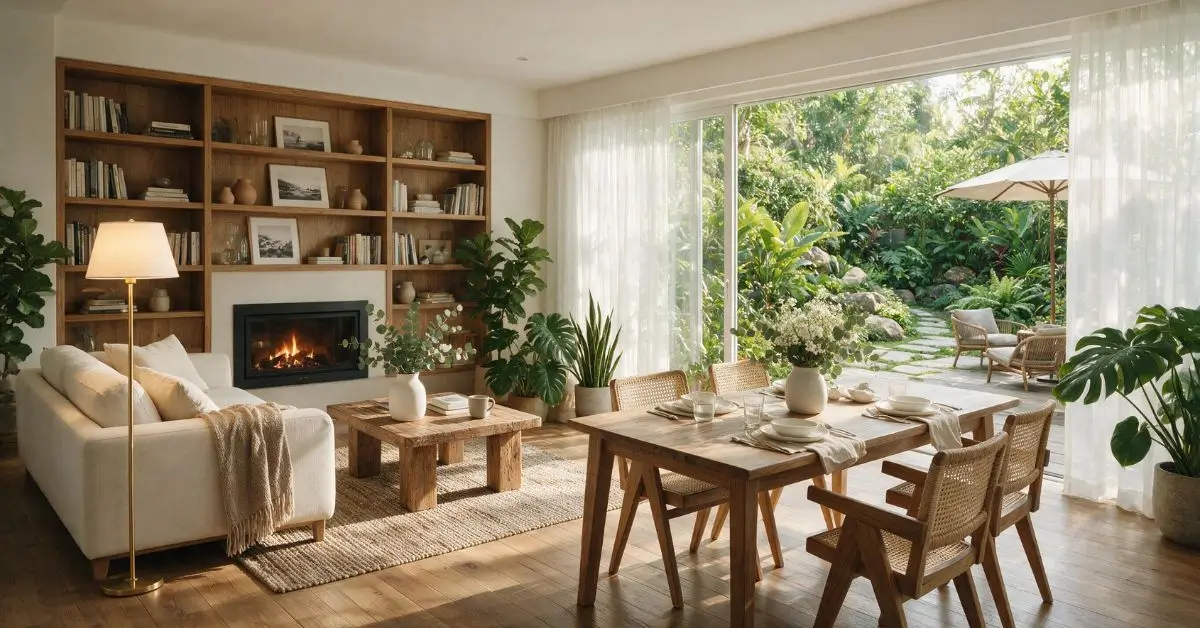
Interior Design DrHomey: A Complete Guide to Designing Your Home the Smart Way
Most people want a home that looks great and feels comfortable. But when it comes to actually making it happen, many get stuck. Where do you start? What style works for your space? How do you avoid costly mistakes?
That is where interior design guidance becomes truly valuable. And platforms like DrHomey are making that process more accessible for everyday homeowners across the US, UK, and Canada.
This guide will walk you through what interior design DrHomey is, how it works, what design principles matter most, and how you can apply them room by room, even on a budget.
Interior design DrHomey refers to the home design approach and inspiration resources offered through the DrHomey platform, helping homeowners plan, style, and improve their living spaces using practical tools, curated ideas, and professional design concepts made accessible for everyday use.
Quick Summary
DrHomey is a home improvement and interior design platform that gives homeowners practical design ideas and tools. This guide covers how it works, key design principles, room-by-room tips, and answers to common questions so you can start improving your home with confidence.
What Is DrHomey and Why Do Homeowners Use It
DrHomey is a home improvement platform built for people who want to design and improve their homes without necessarily hiring a full-time interior designer. It provides curated ideas, product suggestions, room inspiration, and practical design guidance.
Think of it as a design resource that bridges the gap between browsing random Pinterest boards and paying thousands of dollars for a professional consultation. It is built for real people with real budgets.
A homeowner in Chicago, for example, might use DrHomey to figure out how to make a small living room feel larger, or how to style a bedroom without starting from scratch. The platform provides that kind of focused, practical guidance.
The Core Principles Behind Good Interior Design
Before diving into specific rooms or styles, it helps to understand what makes interior design actually work. These principles apply whether you are using DrHomey or working with a designer directly.
Balance: A well-designed room feels balanced. That does not mean perfectly symmetrical, but it means the visual weight is spread evenly. If you have a large sofa on one side, balance it with a bookshelf or floor lamp on the other.
Scale and Proportion: Furniture should fit the room. A massive sectional sofa in a small apartment overwhelms the space. A tiny coffee table in a large open-plan living room looks lost. Getting the scale right is one of the most important and most overlooked parts of home design.
Color and Light: Color affects how a room feels, not just how it looks. Warm tones like terracotta and mustard create a cozy feel. Cool tones like soft blues and greens create calm. Natural light changes everything, so always consider how much sunlight a room gets before choosing paint or fabric colors.
Function First: A beautiful room that does not work for how you live is not a success. Good design always starts with how the space will be used. A home office needs different things than a family room, even if they are the same size.
How Interior Design DrHomey Helps You Apply These Principles
The interior design DrHomey approach is built around making these principles approachable. Instead of presenting overwhelming design theory, the platform translates ideas into room-specific advice and visual examples.
This matters because most homeowners do not struggle with taste. They struggle with application. Knowing you like a modern farmhouse aesthetic is one thing. Knowing which paint color, light fixture, and furniture combination actually achieves that look is another.
DrHomey helps connect those dots by offering curated combinations, product ideas, and real room examples organized by style, budget, and room type.
Room-by-Room Design Tips You Can Start Using Today
Living Room
The living room is where most design decisions happen because it is the most visible space in the home. Start with the largest piece first, which is usually the sofa. Build outward from there.
Choose a rug that anchors the seating area. The rug should be large enough that at least the front legs of every piece of furniture sit on it. This is a simple trick that makes a room feel intentional rather than scattered.
Layered lighting makes a big difference. Combine overhead lighting with floor lamps and table lamps to create warmth and flexibility.
Kitchen
Kitchen design is often about storage and flow. The classic design triangle, which connects the sink, stove, and refrigerator, is a useful starting point. These three areas should be easy to move between without crossing through other traffic zones.
Open shelving is popular but honest advice says it only works if you are organized. If your shelves will be messy, keep cabinet doors. Style matters less than livability.
Bedroom
A bedroom should feel restful. Neutral or cool tones tend to work better than bright, high-energy colors. Keep the palette simple, ideally two to three tones.
Invest in bedding quality before decor accessories. A well-made, properly sized bed with quality linens does more for a bedroom than any throw pillow arrangement.
Bathroom
Small bathrooms benefit most from consistency. Matching hardware finishes, consistent tile choices, and good mirrors that reflect light make a small bathroom feel clean and considered.
A single large mirror is almost always better than a small decorative one. It reflects light, creates the illusion of space, and feels intentional.
Common Interior Design Mistakes and How to Avoid Them
Buying furniture before measuring: This is the number one mistake. Always measure your space and map out furniture placement before purchasing anything. A sofa that looked fine in the showroom can completely block traffic flow in your actual room.
Hanging art too high: Most people hang wall art at eye level for someone standing. That is usually too high. The center of any artwork should sit roughly 57 to 60 inches from the floor, which is the average human eye level.
Ignoring the ceiling: Ceilings are an underused design surface. A simple coat of a slightly different shade, a beam detail, or even just a statement light fixture makes a room feel designed from top to bottom.
Overcrowding the space: More furniture does not mean more comfort. Leaving intentional open space makes a room breathe and actually feel larger.
Budget-Friendly Design Ideas That Still Look Great
Good design does not require a big budget. Some of the most effective changes cost very little.
Paint is always the highest-return investment in any room. A fresh coat of the right color transforms a space completely for a relatively small cost.
Swapping hardware on cabinets and drawers is a simple upgrade that modernizes a kitchen or bathroom without a renovation. New drawer pulls and cabinet handles in a consistent finish make a surprising difference.
Thrift stores and online marketplaces are genuinely useful for finding solid wood furniture and quality decor pieces at a fraction of retail prices. The interior design DrHomey community often shares specific finds and sourcing tips for exactly this kind of budget-conscious decorating.
Rearranging what you already own costs nothing. Changing the layout of furniture, moving artwork to a new wall, or swapping accessories between rooms can refresh a space completely.
How to Choose a Design Style That Actually Fits Your Life
There are dozens of interior design styles, from Scandinavian minimalism to maximalist eclectic. The key is choosing one that matches how you actually live, not just how you want a room to look in photos.
If you have children or pets, ultra-minimalist design with white upholstery is going to cause constant stress. A more relaxed, layered style with durable materials will serve you better and still look great.
If you rent, you need a design approach that does not rely on permanent changes. Paint may not be an option. Focus on furniture, textiles, lighting, and removable wallpaper instead.
Think about what matters to you daily. If you read a lot, your design should include proper task lighting and comfortable seating. If you cook often, the kitchen layout matters more than its aesthetic. Design should serve life, not compete with it.
One Useful Comparison: DIY Design vs. Professional Help
| Factor | DIY with Tools like DrHomey | Hiring a Professional Designer |
|---|---|---|
| Cost | Low to moderate | High ($2,000–$10,000+) |
| Time | Flexible, self-paced | Structured timeline |
| Customization | Based on available resources | Fully custom |
| Expertise | Platform-guided | Professional judgment |
| Best For | Budget-conscious homeowners | Complex renovations or full home projects |
Conclusion
Improving your home does not have to be overwhelming or expensive. With the right guidance, clear principles, and practical tools, anyone can create a space that looks intentional and feels comfortable.
The interior design DrHomey approach puts that guidance within reach. Whether you are redesigning one room or thinking about your entire home, starting with solid principles and a clear plan always produces better results than just buying things and hoping they work together.
If you are ready to start, pick one room, measure it, set a realistic budget, and focus on function first. The style will follow naturally once the foundation is solid.
Frequently Asked Questions
What is DrHomey used for in interior design?
DrHomey provides home design ideas, room inspiration, and practical tips for improving interiors.
Is interior design only for expensive homes?
No. Good design depends on smart planning, color choices, and furniture placement—not a big budget.
How do I start designing a room?
Define the room’s purpose, measure the space, choose a simple color palette, and start with the largest furniture piece.
What interior design style is most popular in the US?
Modern farmhouse, transitional, and Scandinavian styles remain among the most popular.
Can I use DrHomey for small apartment design?
Yes. DrHomey offers space-saving ideas, multifunctional furniture tips, and layouts for compact homes.